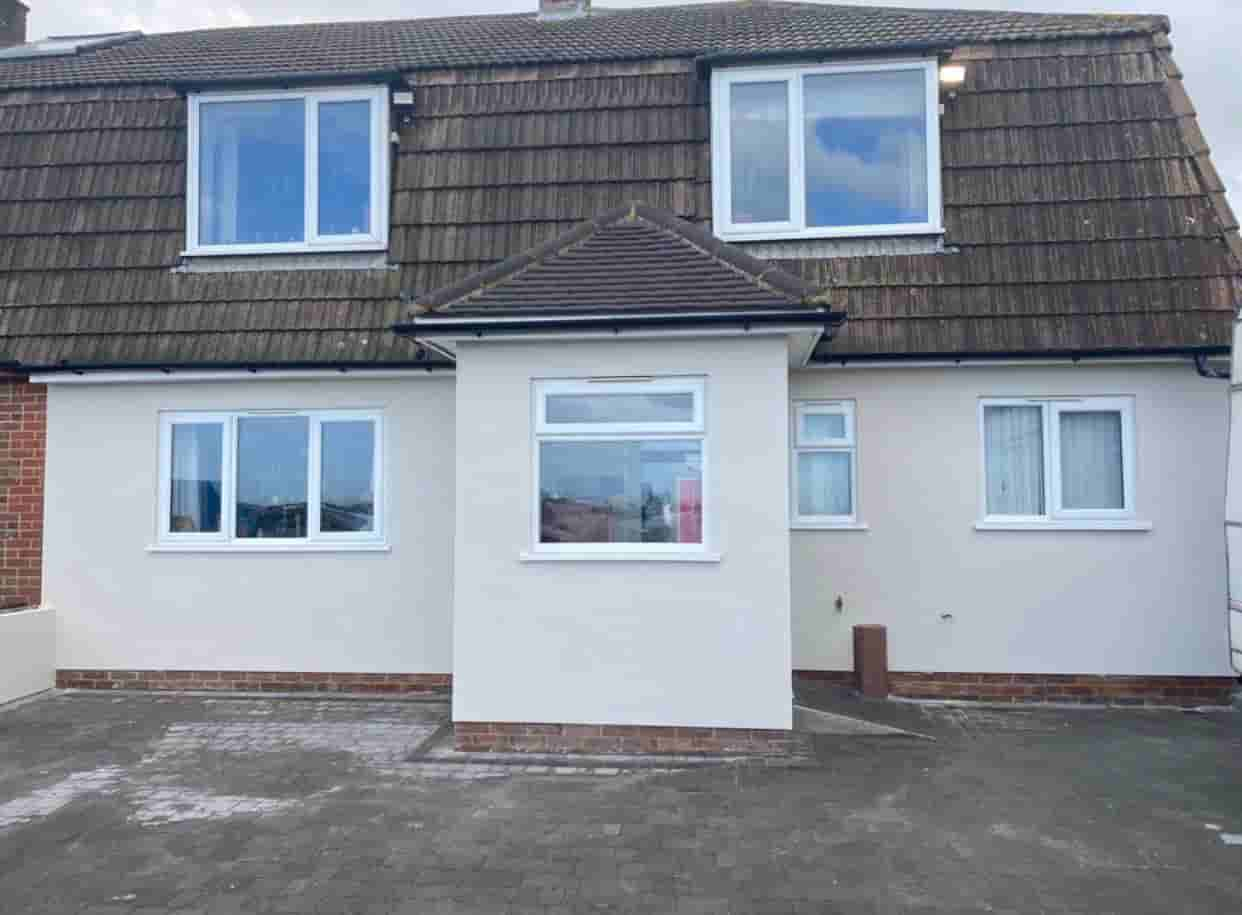
What to Do When You Discover a Roof Leak During Heavy Rain
Discovering a roof leak during heavy rain can be stressful, particularly when water begins entering living spaces or spreading across ceilings. While it may be tempting to investigate the roof immediately, working at height or attempting repairs in wet and windy conditions can be dangerous. The priority should be to protect the people inside the property, limit internal damage and arrange a professional inspection once conditions are safe.
For homeowners in Rushden, Northampton, knowing how to respond can help prevent a developing leak from causing more extensive problems. DSC Roofing Rushden provides professional roofing repairs to help identify the source of water ingress and restore the roof’s ability to protect the property.
Immediate Steps to Take When Your Roof Starts Leaking
Taking sensible precautions during heavy rainfall can reduce the impact of a roof leak while avoiding unnecessary risks. The following steps can help you manage the situation until a roofer can assess the damage.
Protect People and Avoid Electrical Hazards
If water is entering near ceiling lights, sockets or electrical appliances, keep everyone away from the affected area. Do not touch wet electrical fittings or attempt to investigate them while standing in water.
If it is safe to do so, isolate the affected electrical circuit at the consumer unit. If you are unsure or water is reaching electrical equipment, seek assistance from a qualified electrician.
Move furniture, electronics and other belongings away from the leak where possible. If the ceiling begins to bulge, sag significantly or show signs of instability, keep clear of the area rather than standing underneath it.
Collect Dripping Water Safely
Place a bucket, bowl or suitable container beneath a steady drip to collect water and protect the flooring. Towels or absorbent materials can help contain smaller amounts of water around the affected area.
If water is spreading across a ceiling, avoid puncturing the plasterboard yourself. A bulging ceiling may contain a considerable amount of trapped water, and disturbing it without the correct precautions could cause a sudden collapse.
Move Valuable Belongings
Remove furniture, rugs, electrical devices and other vulnerable items from the affected room. If larger items cannot be moved safely, cover them with waterproof sheeting where practical.
Taking photographs of visible water damage, damp patches and the affected areas can also help provide useful information when discussing the problem with a roofing contractor.
Never Attempt Roof Repairs During Heavy Rain
Climbing onto a roof during heavy rainfall is extremely dangerous. Wet tiles, ladders and roof coverings can become slippery, while strong winds and poor visibility increase the risk of accidents.
Do not attempt to replace tiles, apply sealant or cover damaged sections while the roof is wet. Temporary repairs should only be considered when conditions are safe and the work can be carried out by someone suitably equipped and experienced.
Common Reasons Why Roofs Leak During Heavy Rain
Heavy rainfall can expose weaknesses that may not be noticeable during dry weather. Understanding the possible causes helps homeowners recognise why a professional inspection is important.
Damaged or Displaced Roof Tiles
Cracked, slipped or missing tiles can create openings that allow rainwater to reach the layers beneath the roof covering. Wind-driven rain may enter through these gaps, particularly during prolonged periods of bad weather.
Faulty Roof Flashing
Flashing protects vulnerable junctions around chimneys, walls and roof valleys. If it becomes loose, cracked or displaced, water can penetrate around these connections and travel into the roof structure.
Blocked or Overflowing Gutters
Leaves, moss and other debris can restrict the flow of rainwater through gutters. During heavy rainfall, blocked sections may overflow, allowing water to run down external walls or collect around the roof edges.
Deteriorating Flat Roof Coverings
Flat roofs can develop splits, damaged seams, blisters or loose edges as their waterproof coverings age. Heavy rain may reveal these defects through persistent pooling or water entering the building below.
Why You Should Arrange a Professional Roof Inspection
A visible leak does not always indicate where water is entering the roof. Rainwater can travel along roof timbers, beneath tiles or through insulation before appearing as a damp patch inside the property.
A professional roofer can examine the roof covering, flashing, valleys and other vulnerable areas to identify the source. The inspection should also establish whether moisture has affected the underlying materials and whether additional repairs are needed.
Once the weather improves and the roof can be accessed safely, DSC Roofing Rushden can assess the damage and recommend suitable repairs. Addressing the underlying defect is essential to reducing the risk of the leak returning during the next period of heavy rainfall.
Conclusion
When you discover a roof leak during heavy rain, prioritise safety, protect your belongings and contain dripping water where possible. Avoid climbing onto the roof or attempting temporary repairs in dangerous weather conditions.
Once it is safe to do so, arrange a professional inspection to identify the cause and prevent further water ingress. If your property has developed a roof leak in Rushden, Northampton, contact DSC Roofing Rushden to discuss the problem and arrange suitable roofing repairs.
Call us on: 01933 823 229
Click here to find out more about DSC Roofing Rushden
Click here to complete our contact form and see how we can help with your roofing needs.