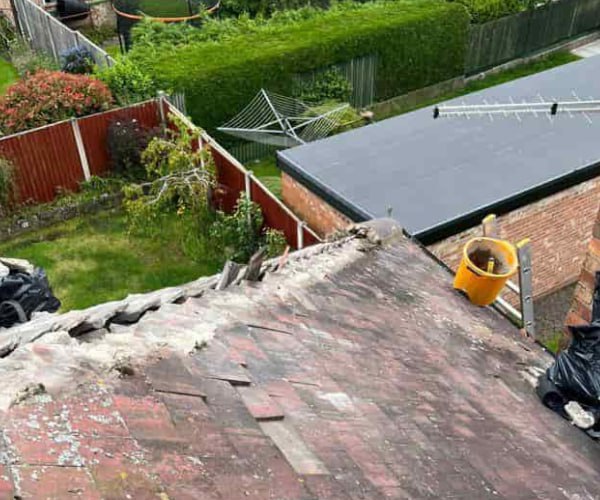
Why Do Roof Tiles Move Even Without Strong Winds?
Many homeowners assume that roof tiles only shift during storms or high winds. In reality, tiles can move gradually over time, even in calm weather. This often catches property owners by surprise, especially when a slipped tile is discovered without any recent severe conditions.
At DSC Roofing Rushden, we regularly inspect roofs across Rushden, Northamptonshire where tile movement has occurred quietly and progressively. Understanding the underlying causes can help homeowners recognise why early attention is so important.
Natural Expansion and Contraction
Roofing materials are constantly exposed to changes in temperature. As tiles heat up during warmer periods and cool down overnight, they expand and contract slightly. Over months and years, this repeated movement can loosen fixings or reduce the grip of surrounding materials, allowing tiles to creep out of position without any wind involvement.
This effect is particularly noticeable on older roofs or those that experience regular temperature fluctuations.
Ageing Fixings and Bedding Materials
Many roof tiles rely on nails, clips, or mortar to stay securely in place. As these components age, they can corrode, weaken, or break down. Mortar in particular becomes brittle over time, losing its ability to hold tiles firmly.
When fixings deteriorate, tiles are more likely to move under their own weight or during minor vibrations, such as those caused by everyday weather changes.
Roof Settlement Over Time
All buildings settle gradually as they age. This natural movement can slightly alter the roof structure, changing the way weight is distributed across the tiles. Even a small shift in alignment can cause tiles to loosen or slide, especially along ridges, hips, and roof edges.
These subtle structural changes often go unnoticed until a visible tile displacement appears.
Poor Original Installation
In some cases, tile movement is linked to how the roof was installed originally. Incorrect fixing methods, inadequate spacing, or insufficient support can leave tiles more vulnerable to movement from the outset.
While the roof may appear sound for years, these installation weaknesses can eventually lead to tiles slipping without any obvious external trigger.
Minor Weather Still Plays a Role
Although strong winds are not required, light winds combined with rain can still contribute to gradual tile movement. Moisture can reduce friction between tiles, and even gentle airflow may be enough to encourage a poorly secured tile to shift.
This slow process often explains why homeowners discover displaced tiles after relatively mild weather.
Why Early Repairs Matter
A single moved tile can expose the roof underlay and timber structure to water ingress. Once this happens, further movement and damage become more likely. Addressing tile issues early helps maintain the roof’s integrity and prevents minor problems from developing into larger repairs.
Professional inspections can identify loose or vulnerable tiles before visible displacement occurs.
Conclusion
Roof tiles can move without strong winds due to temperature changes, ageing fixings, natural building settlement, and subtle installation issues. These quiet, gradual movements often go unnoticed until the problem becomes more obvious.
At DSC Roofing Rushden, we help homeowners throughout Rushden, Northamptonshire keep their roofs secure by identifying and resolving tile movement early. If you have concerns about your roof or want reassurance that everything is holding firm, professional advice can help protect your property and avoid unexpected issues later on.
Call us on: 01933 823 229
Click here to find out more about DSC Roofing Rushden
Click here to complete our contact form and see how we can help with your roofing needs.